Circulated prices · Grade ladders · Auction records
What is your coin worth?
One question, answered with real numbers instead of one averaged figure per date: circulated range, price by grade, graded population and auction records.
- 565
- issues covered
- 1943–2026
- year range
- $0.01–$42.33
- circulated price range
Prices from Numista (catalogue, mintages, circulated values) and PCGS CoinFacts (grades, populations, auction records). Checked September 3, 2026. Free, no sign-up.
Every year, by denomination
Browse by year
Quarter 38
Most searched
The coins people look up first
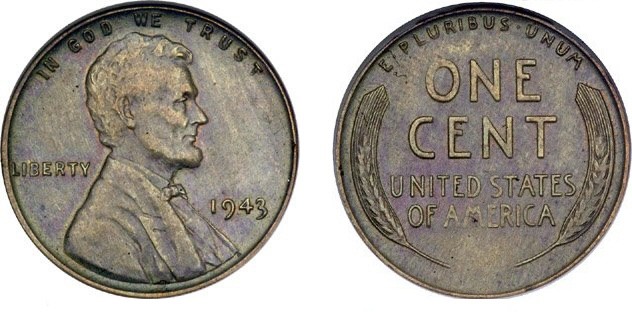
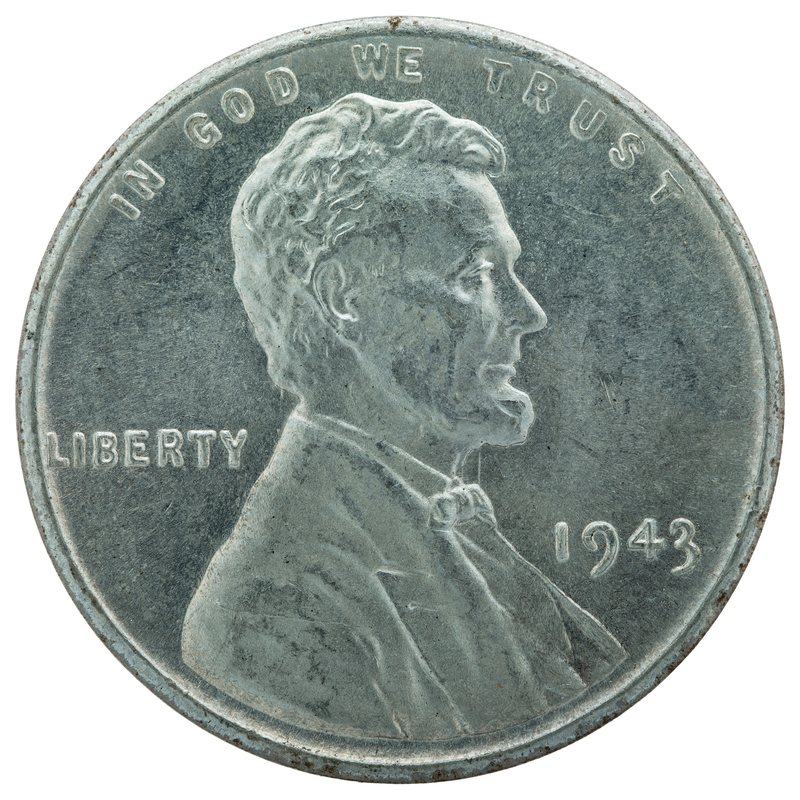 1943 Penny$0.21 – $4.62 circulatedMS64BN guide $1,700,000, 1 graded
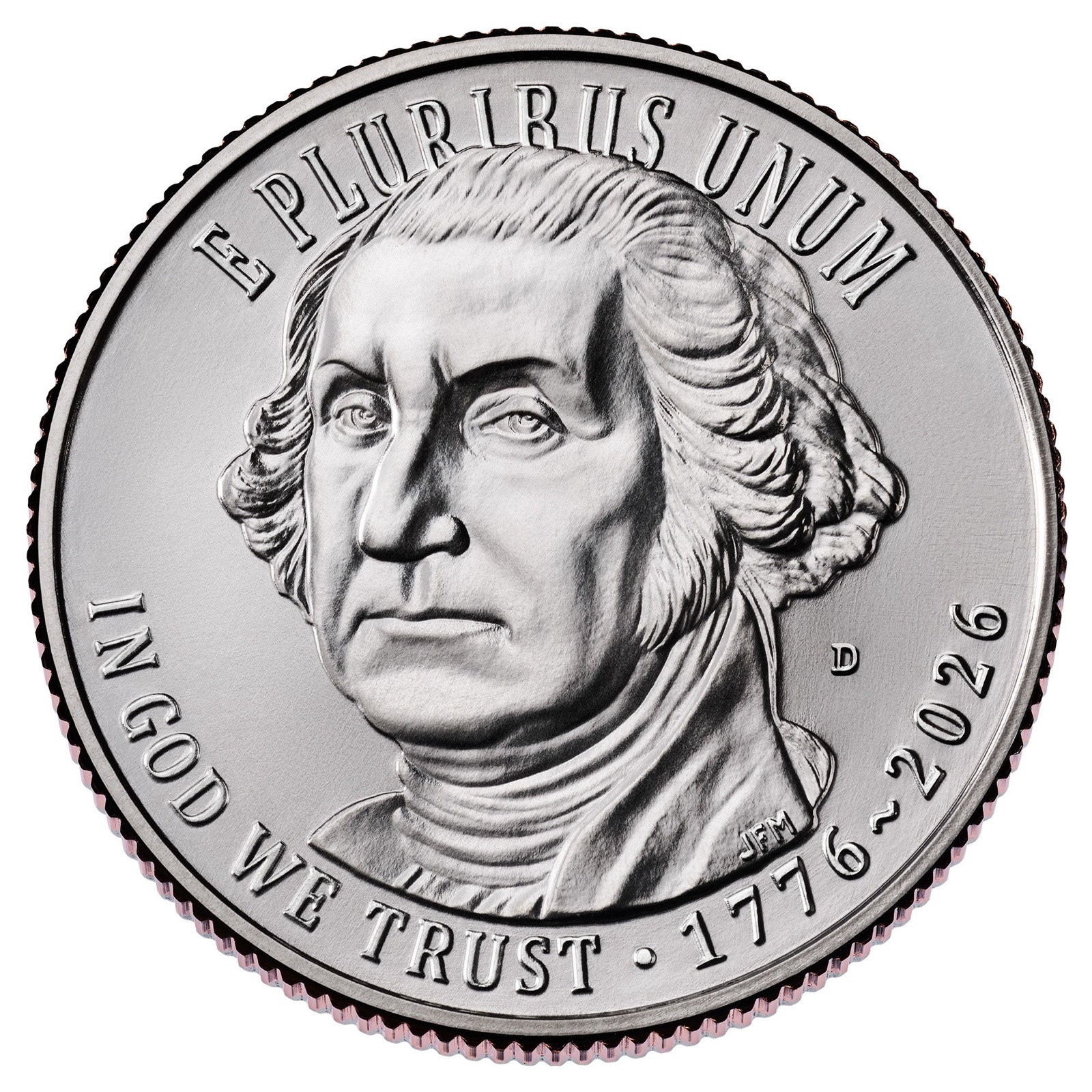 1977 Quarter$0.25 – $0.81 circulatedMS68 guide $10,000, 1 graded
- 1965 Quarter$0.25 – $1.92 circulatedMS68 guide $15,500, 2 graded
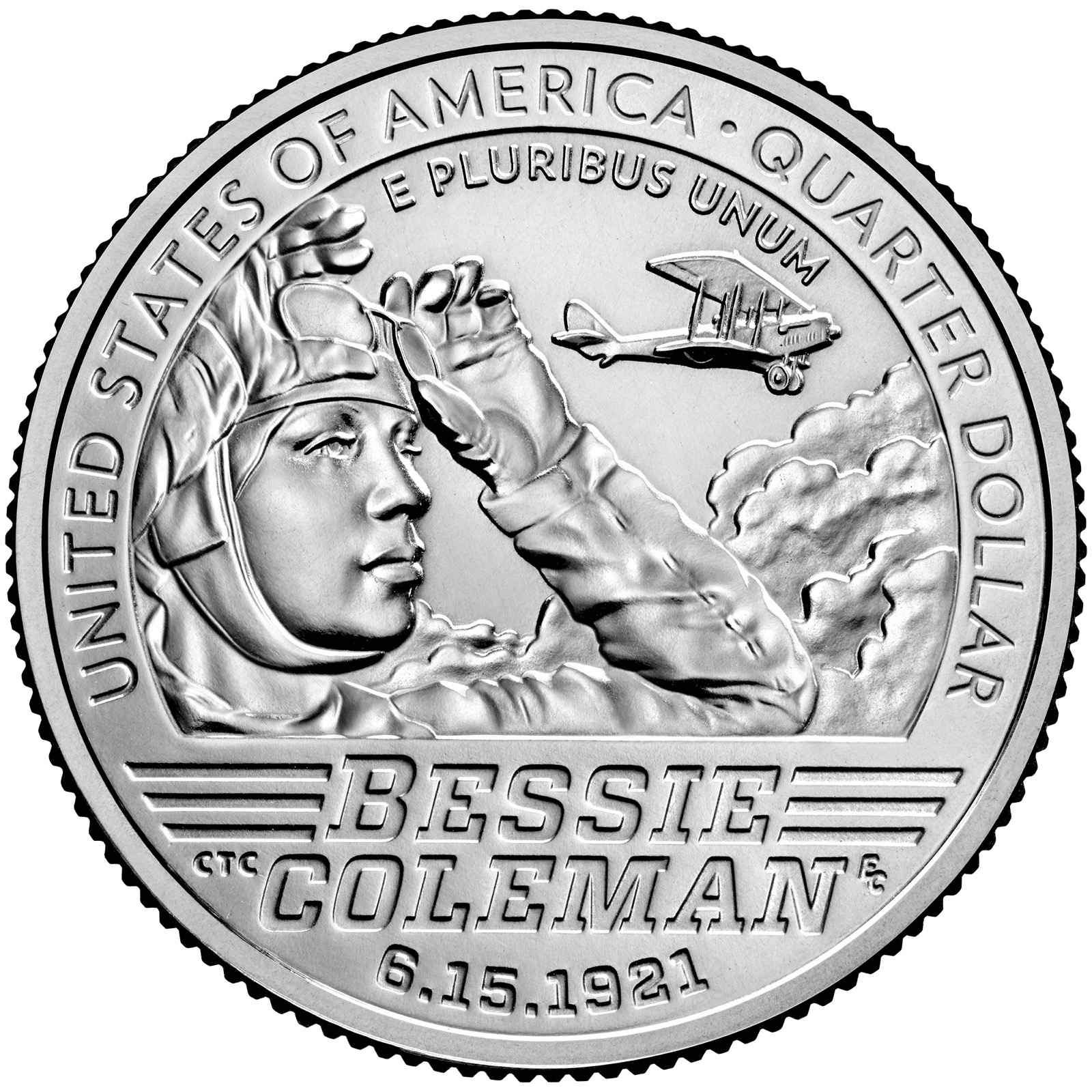 2023 Quarter$0.24 – $1.39 circulated502,760 struck at the smallest mint
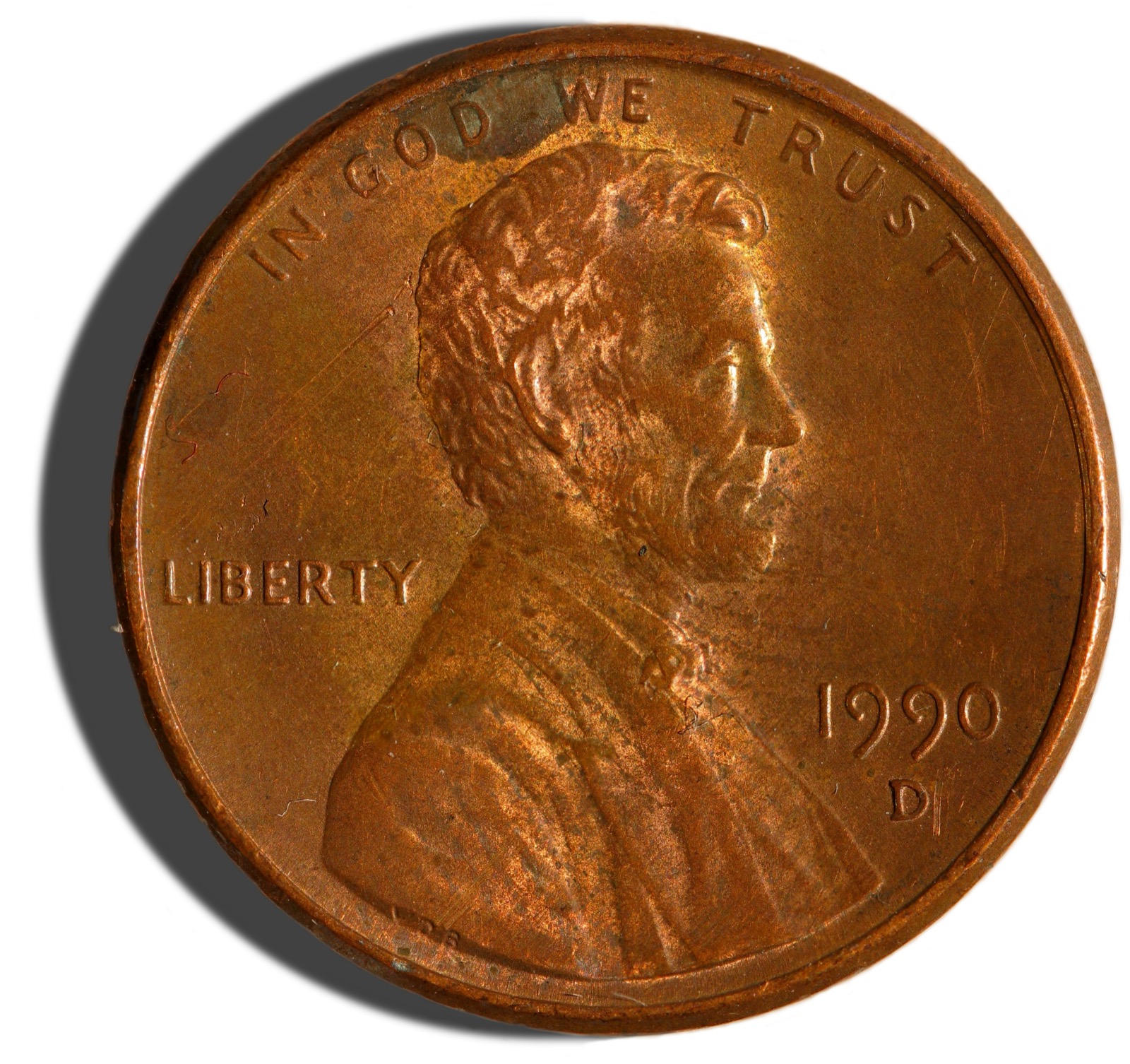 1975 Penny$0.02 – $0.48 circulatedMS68RD guide $10,500, 7 graded
- 1972 Penny$0.01 – $42.33 circulatedMS66BN guide $750, 8 graded
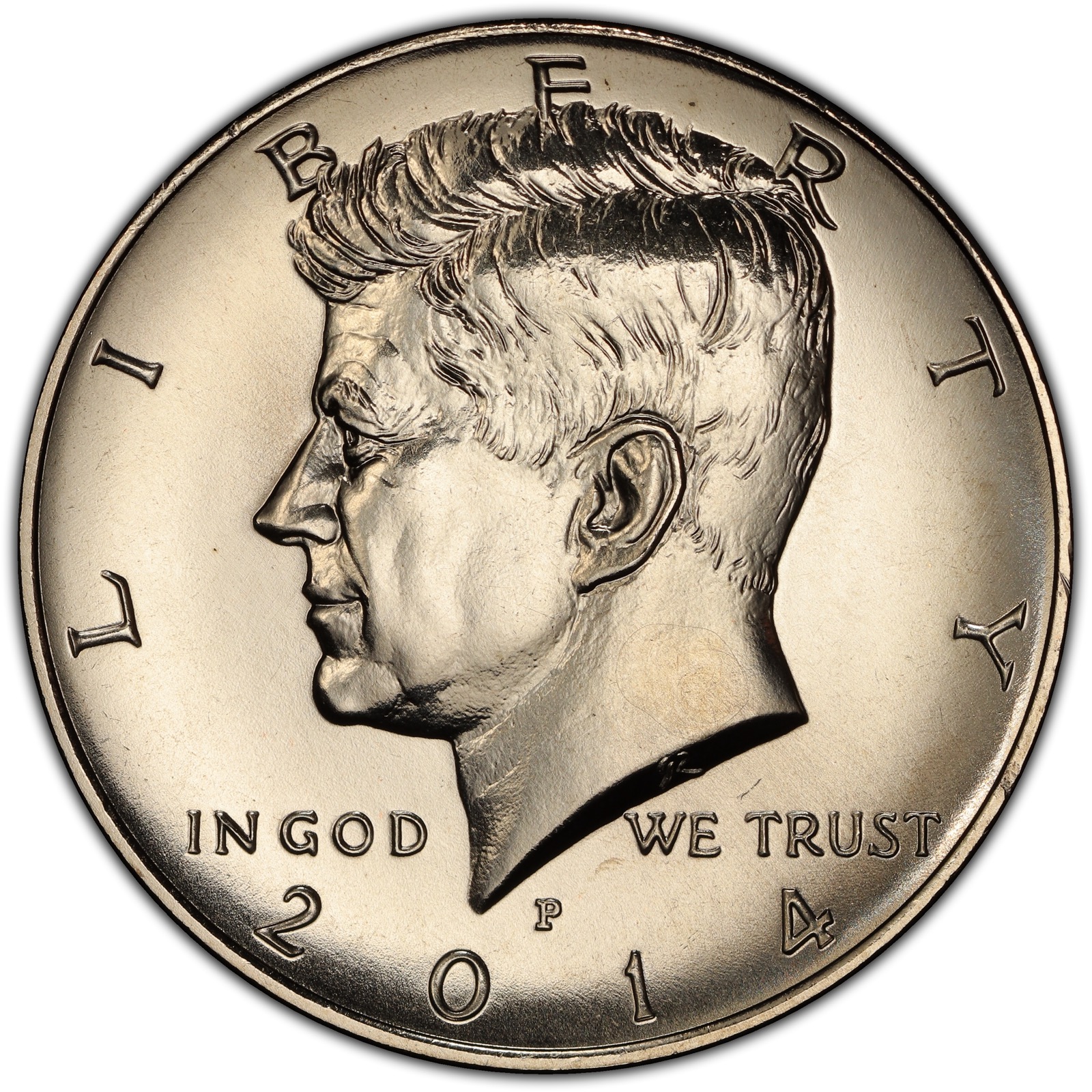 1974 Half Dollar$0.51 – $1.92 circulatedMS67 guide $1,350, 53 graded
- 1973 Half Dollar$0.51 – $1.70 circulatedMS68 guide $20,000, 1 graded
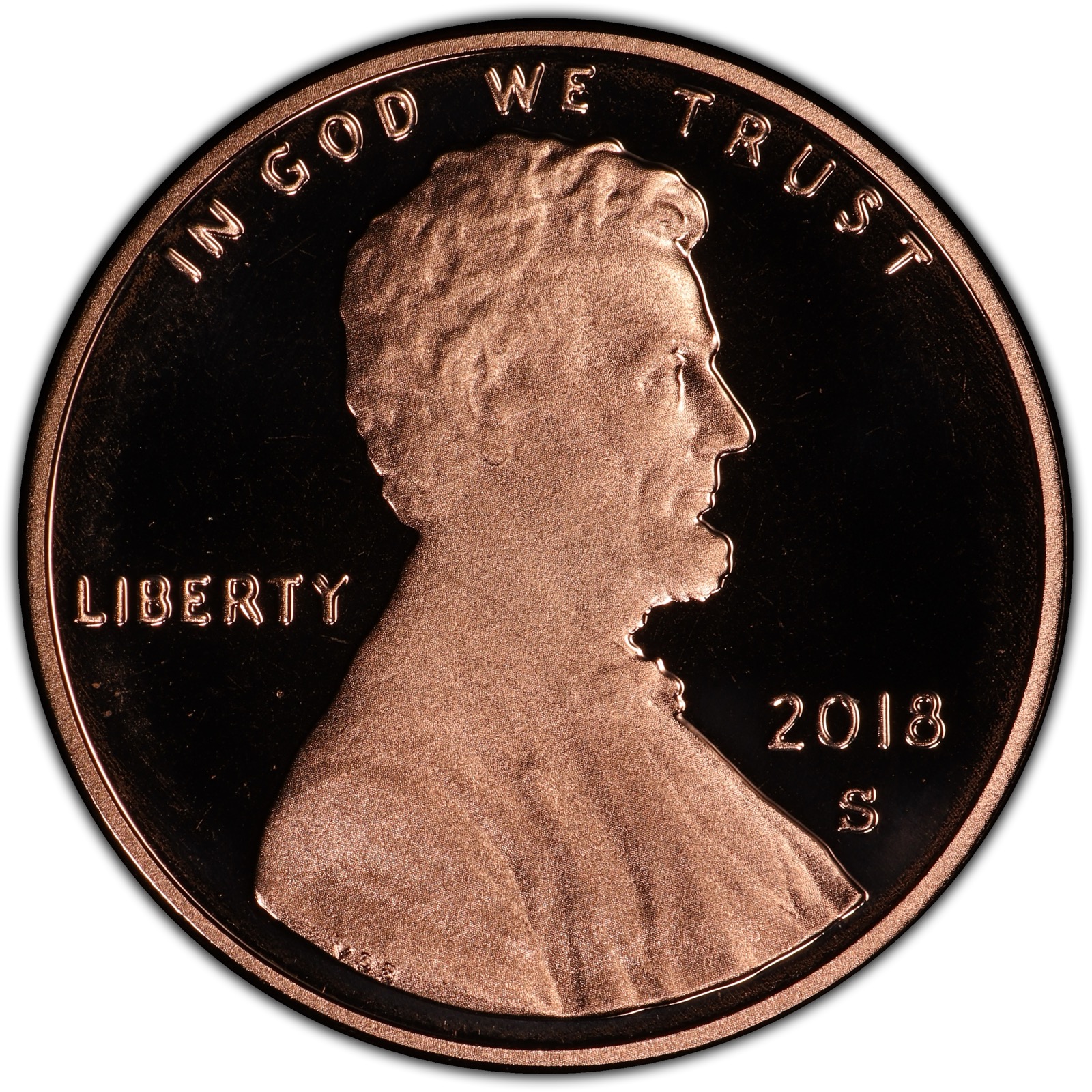 2009 Penny$0.01 – $0.58 circulatedMS68RD guide $5,000, 1 graded
- 1981 Penny$0.01 – $0.34 circulated4,063,083 struck at the smallest mint
- 1967 Quarter$0.25 – $2.25 circulated1,800,000 struck at the smallest mint
- 1971 Half Dollar$0.54 – $1.83 circulated3,244,183 struck at the smallest mint
- 2026 Quarter$0.36 – $6.02 circulated1 variety to look for
- 1966 Quarter$0.25 – $1.03 circulated2,200,000 struck at the smallest mint
- 1974 Penny$0.01 – $0.49 circulated2,612,568 struck at the smallest mint
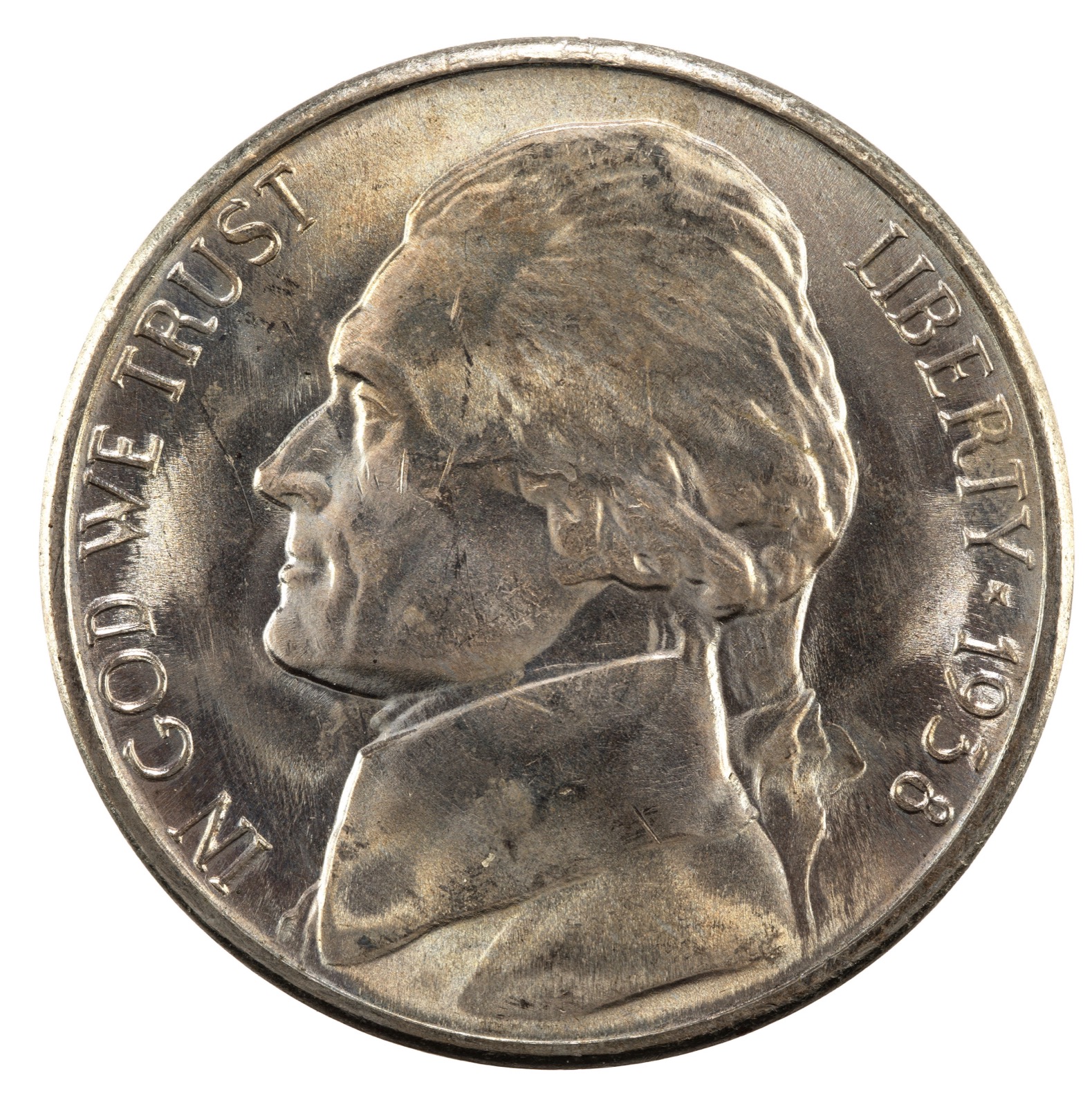 2005 Nickel$0.06 – $0.92 circulatedMS68 guide $1,650, 1 graded
- 1972 Half Dollar$0.54 – $1.67 circulated1 variety to look for
- 1979 Penny$0.02 – $0.34 circulated3,677,175 struck at the smallest mint
- 1977 Penny$0.01 – $0.43 circulated3,251,152 struck at the smallest mint
- 2025 Penny$0.01 – $1.37 circulated2 varieties to look for
- 1978 Quarter$0.24 – $0.89 circulated3,127,781 struck at the smallest mint
- 1966 Penny$0.02 – $0.56 circulated2,261,583 struck at the smallest mint
- 2017 Quarter$0.25 – $1.00 circulatedMS68 guide $875, 1 graded
- 1967 Half Dollar$4.68 – $6.24 circulated1,863,344 struck at the smallest mint
- 1969 Penny$0.02 – $0.65 circulated1 variety to look for
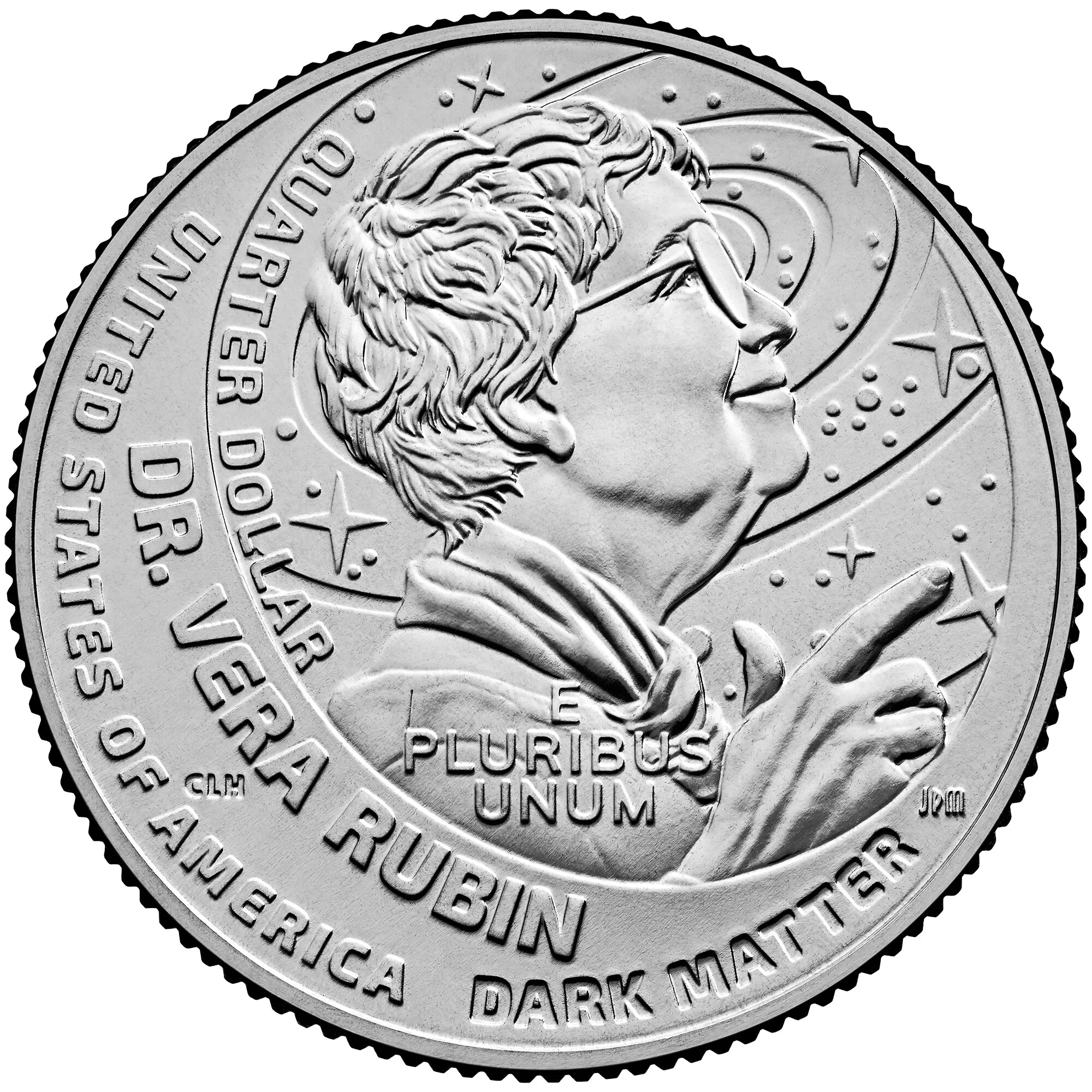 2025 Quarter$0.36 – $1.51 circulated55,800,000 struck at the smallest mint
- 1984 Quarter$0.24 – $0.90 circulated3,065,110 struck at the smallest mint
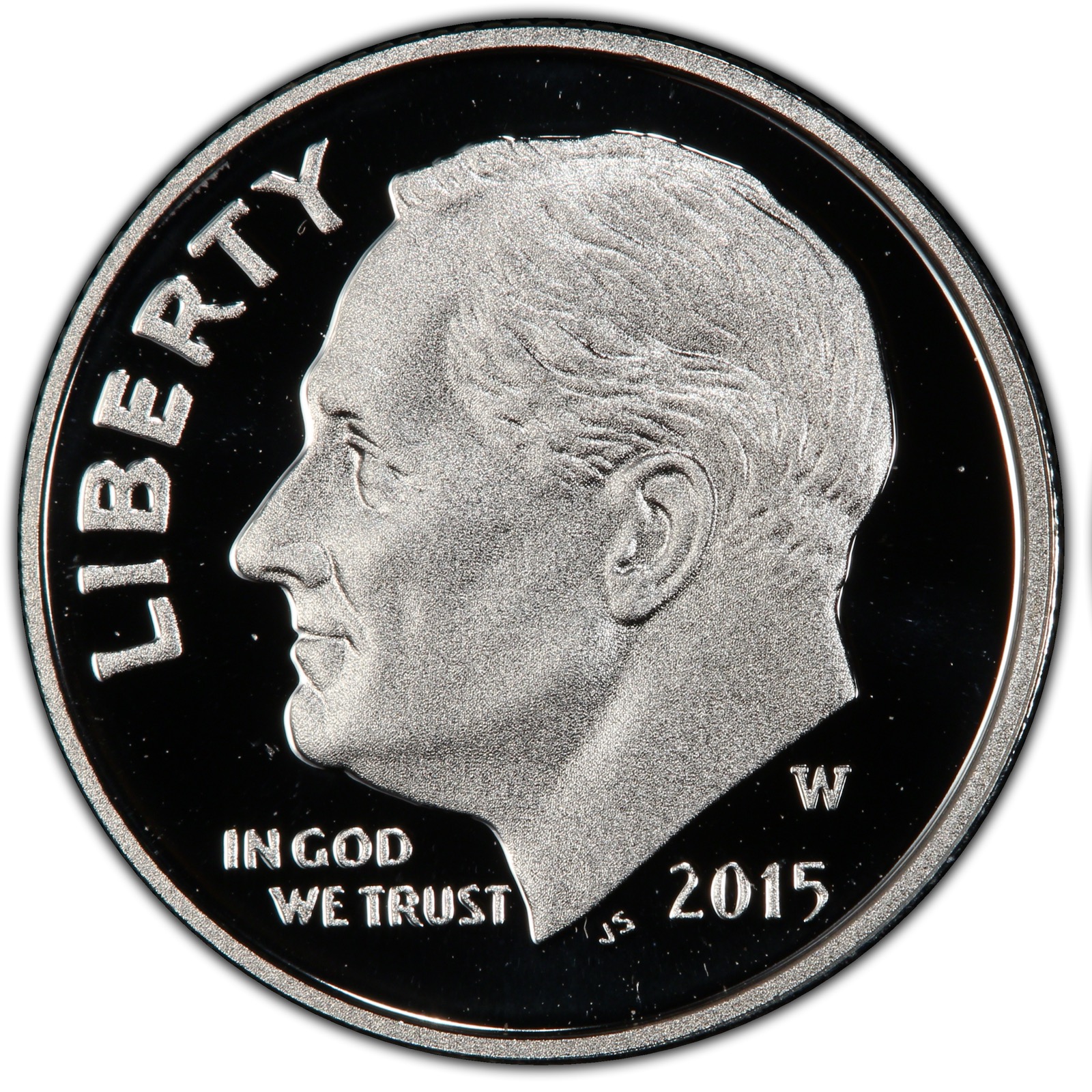 1990 Dime$0.10 – $0.58 circulatedMS68 guide $400, 5 graded
- 1965 Dime$0.10 – $0.58 circulated2,360,000 struck at the smallest mint
- 1974 Quarter$0.25 – $0.89 circulated2,612,568 struck at the smallest mint
The app
Not sure which coin you have?
Photographing a coin is the fast way to find out what it is. Our iPhone app reads the coin in your hand and names the date, the mint and the design. The identifying happens in the app; the prices, the grade tables and the auction records live here on the site.
iPhone only for now.
How it works
Three steps, about a minute
 Photograph the coinBoth sides, in daylight, on a plain surface.
 The app names itDenomination, date, mint mark and design.
 The site prices itWhat worn examples trade for, what each grade is worth, and what the best examples actually sold for at auction.
How value works
Four things decide what a coin is worth
This site answers one question: what is the coin in your hand actually worth? Pick the denomination and the year above, and you land on a page built for that exact date — every mint that struck it, how many were made, what worn examples trade for, and, where the data exists, what the best-preserved ones have sold for at auction. Right now the site covers 85 dates across dimes, half dollars, nickels, cents and quarters, from 1943 to 2026, and 565 separate issues within them.
- 01
Age is not value
The first thing worth saying is that age is not value. A worn coin from the middle of the last century is usually worth its face value, because hundreds of millions of them were struck and most survived. What creates value is scarcity of a specific combination — a particular year, a particular mint, and a particular state of preservation — and that combination is often much younger than people expect. Some of the coins worth real money were struck in your lifetime.
- 02
Condition decides most of it
Condition is where most of the money hides. The same date can be worth pocket change worn and thousands untouched, because collectors are paying for the surface, not the metal. Across the dates on this site, circulated examples trade between $0.01 and $42.33, while the highest guide value on a well-preserved regular issue is $575,000 — for the 1975 Dime. That gap is not a rounding error. It is the entire subject.
- 03
Varieties
The second source of value is varieties — coins that differ from the normal issue because of something that happened at the mint: a doubled die, a repunched mint mark, the wrong metal, a missing letter. These are not damage and they are not rare by accident; they are specific, catalogued and looked for. The pages here track 15 of them, and each one says what to look at on the coin rather than asking you to take it on faith. This is also where the largest numbers on the site live: the 1943 Penny struck with copper instead of steel carries a guide value of $1,700,000, which has nothing to do with how well the coin survived and everything to do with what happened at the mint that day.
- 04
Why a catalogue is not enough
This is also where a catalogue stops being useful. A catalogue gives you one number for a date, usually for an average coin in average shape. That number is close to meaningless at both ends: far too high for a worn example, and far too low for a well-preserved one, sometimes by a factor of a hundred. Every page here separates the two instead of averaging them away.
- 05
Where the numbers come from
The numbers come from two places, and the pages always say which. Mintages and circulated values come from the Numista catalogue. Grade-by-grade values, how many examples are known at each grade, and records of actual sales come from PCGS CoinFacts. The point of the second source is that it reports transactions, not opinions: the highest sale recorded across these pages is $840,000 for a 1943 Penny, sold by Heritage Auctions in 2021. Behind the prices on this site sit 48 such sales, and 69 issues carry a full grade-by-grade ladder.
- 06
What is covered so far
Coverage grows date by date. Every denomination has its own chart — every year of the series in one table, with the dates that are worth stopping on marked — and every year has its own page with the mints, the mintages and the varieties for that date alone. If your year is not up yet, the denomination chart will still tell you where it sits in the series and what its neighbours are doing.
Never clean a coin. Cleaning removes the original surface, and the market can see it instantly — a cleaned coin is worth a fraction of the same coin left alone, and the damage cannot be undone. If the coin looks promising, handle it by the edges and leave it exactly as it is. Then find your date below and see what it is actually worth.